Complaints Procedure for Cleaner Holland Park
 A clear complaints procedure helps make any cleaning service more reliable, professional, and consistent. When something does not meet expectations, it is important to have a simple way to raise concerns and have them handled fairly. For Cleaner Holland Park, the process is designed to keep communication respectful, prompt, and focused on resolution. This approach supports trust and helps ensure that concerns are addressed in an orderly manner.
Every client should feel confident that their issue will be taken seriously. A good cleaner complaint process does not rely on unnecessary complexity. Instead, it uses clear steps that allow the concern to be understood, reviewed, and resolved. The aim is to maintain a high standard of service while recognising that occasional problems can happen in any professional setting.
To begin, a complaint should describe the issue clearly and explain what part of the service did not meet expectations. This may involve missed tasks, timing problems, or a result that appears below the agreed standard. Providing simple, factual details makes it easier to assess the matter fairly. The more precise the information, the more efficiently the concern can be reviewed.
Once a complaint is received, it should be acknowledged within a reasonable time. This first response is not necessarily a final answer, but it confirms that the issue has been noted and will be examined. In a well-organised cleaning complaints procedure, acknowledgement is an important part of reassuring the client that the matter is moving forward.
The next stage is an internal review. This may include checking service notes, comparing the reported issue with the expected cleaning scope, and identifying whether an error occurred. If needed, the matter may be discussed with the team member involved. The purpose is not to assign blame, but to understand what happened and decide on a fair outcome.
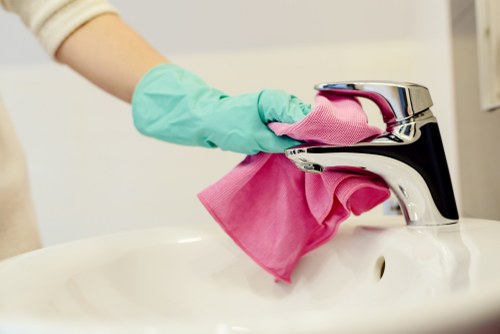 Depending on the nature of the complaint, a solution may involve re-cleaning a specific area, correcting a missed detail, or explaining why a particular result occurred. In some cases, the best outcome may be a service adjustment for future visits. The most important point is that the response should be practical, transparent, and proportionate to the issue raised.
It is also important that the process remains respectful on both sides. A complaint should be treated seriously without becoming confrontational. Likewise, the person raising the concern should communicate calmly and honestly. A professional cleaner complaints process depends on accurate information and a shared intention to resolve the matter fairly.
Sometimes a complaint may involve more than one issue or require additional time to investigate. In such cases, the client should receive a clear explanation that the matter is still under review. This helps prevent confusion and shows that the concern has not been ignored. A strong procedure values both efficiency and careful attention to detail.
There may also be situations where the concern relates to expectations that were not fully aligned from the start. That is why it is useful for service terms to be understood clearly before work begins. When expectations are defined well, complaints can often be resolved more easily because the original agreement provides a reference point for review.
Cleaner Holland Park should aim to resolve complaints through consistent and fair decisions. That means similar issues should be handled in similar ways, while still taking into account the specific circumstances of each case. A dependable complaint handling process helps create a sense of order and professionalism, which benefits both the service provider and the client.
In some cases, a complaint may be minor and quickly resolved. In others, the matter may require a more detailed review before a final response is given. Either way, the process should remain focused on facts rather than assumptions. A thoughtful response can often turn a problem into an opportunity to improve service quality and reduce the chance of repetition.
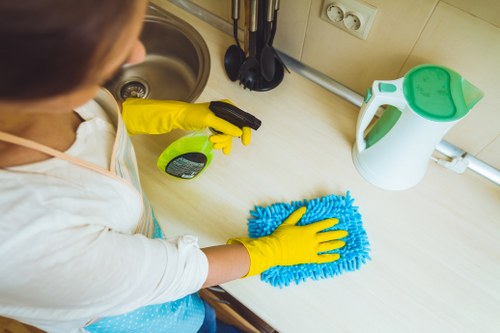 If the issue shows that a mistake was made, it is helpful for the response to include a clear explanation and, where appropriate, a corrective action. If no fault is found, the reasoning should still be explained in plain language. Clear communication is one of the strongest features of an effective cleaner complaint procedure, because it helps prevent misunderstanding and keeps the relationship professional.
Another important part of the procedure is record keeping. Notes about complaints, responses, and outcomes help create consistency over time. They also make it easier to identify patterns, such as repeated issues in a specific area of service. Careful records support ongoing improvement without making the process feel bureaucratic or difficult to use.
When a complaint is resolved, the outcome should be communicated clearly so that all parties understand what has been decided. If the solution involves a follow-up action, that should be described in simple terms. This closes the loop and gives the complaint a proper conclusion. A well-managed cleaning service complaint process should always end with clarity.
Not every complaint will lead to the same result, but every complaint should be handled with the same level of attention and fairness. That principle helps ensure the procedure remains dependable, even when the circumstances vary. A structured approach protects service quality and helps maintain trust in the overall cleaning arrangement.
 One reason a formal procedure matters is that it supports continuous improvement. Complaints can highlight issues that may otherwise go unnoticed, allowing standards to be reviewed and refined. When handled well, concerns become useful information rather than simple criticism. This is why a strong complaints process for cleaners is valuable in any professional setting.
It is also useful to keep the language of the procedure simple and direct. People raising concerns should not need specialist knowledge to explain an issue. A plain, respectful tone helps ensure the process is accessible. By removing unnecessary complexity, Cleaner Holland Park can make the experience easier for clients and easier to manage internally.
Fairness should remain central throughout. The complaint should be assessed on its own facts, with consideration given to the original request, the completed work, and any relevant communication. A balanced review supports honest outcomes and reduces the chance of disputes continuing unnecessarily. That fairness is one of the clearest signs of a professional service standard.
Cleaner Holland Park benefits from a complaints procedure that is calm, structured, and easy to follow. When a concern is raised, the response should be timely, factual, and aimed at resolution. A reliable cleaner complaints procedure helps protect service standards while showing respect for the person raising the issue.
The overall goal is not only to solve individual problems, but also to support a better service experience over time. By responding carefully, keeping communication clear, and using consistent review steps, complaints can be handled in a way that feels professional and constructive. That approach strengthens confidence and supports a cleaner, more dependable service relationship.
 In the end, an effective complaints procedure is about accountability, clarity, and fairness. It gives clients a proper route for raising concerns and gives the service provider a clear method for responding. For Cleaner Holland Park, that means every complaint can be addressed with care and handled in a way that supports quality and trust.